
Greece welcomes everyone, from new visitors to couples, families, friends and solo travelers. Greece tours turn a long wish list of sights into a smooth plan. Guides, transportation and meals come already organized, so each day feels calm and relaxed.
This guide from My Greece Tours walks through what to see, which kinds of tours exist and what comes with them. It then visits the capital, the mainland, the Cyclades and the large islands. Each part ends with practical tips.
Where Do Greece Tours Go In The Capital?
Visitors to the capital start with the Acropolis hill, its museum and the old streets below it. Guides turn bare stones into stories that anyone can follow. Compare Greece tours and Tours In Greece before you pick your days.
What do visitors see first in the capital?
The Acropolis hill is the star, with the Parthenon watching over the city. Below it sits the Theatre of Dionysus, where Greek drama began. The Acropolis Museum nearby shows the finely carved statues that once stood proudly on the rock.
The Roman Agora and the Tower of the Winds show city life in Roman times. The Arch of Hadrian and the National Garden make convenient stops. Psyrri adds lively restaurants, while Cape Sounion offers a sunset temple by the sea.
How do Greece tours get you around the capital?
Private tours come with a driver guide or skipper, and a single rate covers your whole party. They suit families and friends who want a personal pace. Boat cruises add swim stops and suit anyone who loves sun and sea.
Guided walking tours fit first timers who like facts, and guided Acropolis tours explain the story behind the famous stones. Cooking classes and wine tastings suit couples and solo travelers who enjoy local food and good company.
What is covered on Greece tours in the capital?
Some tours include lunch or a BBQ meal, so you skip the hunt for a table in busy spots. Drinks are part of the deal, and sometimes they are unlimited, which helps on hot summer days in the city.
A licensed or local guide answers your questions, explains what you see and keeps the day on track. Wine tastings add a flavor of the region, and swim stops give you a cool, refreshing break on boat days.
How do you make the most of the capital?
Start early, because the Acropolis is quieter and cooler in the morning, and the light is lovely for photographs. Wear comfortable shoes with a good grip, since the marble is slippery.
Bring a hat, sunscreen, a refillable bottle of water and a light layer for the boat. Keep the evening free for Psyrri, where the restaurants stay lively.
Which Greece Tours In The Mainland Do Travelers Remember?
Travelers remember Delphi, Meteora and the old Peloponnese sites best. These places pair enormous views with stories that stay with you long after the trip. Greece tours handle the long roads, so you can sit back and relax.
What do visitors see first in the mainland?
Delphi was the home of the oracle, and the Temple of Apollo stands on a steep slope. The Meteora monasteries crown tall rock pillars, a sight that stops every camera. Mycenae guards its royal entrance with the famous Lion Gate.
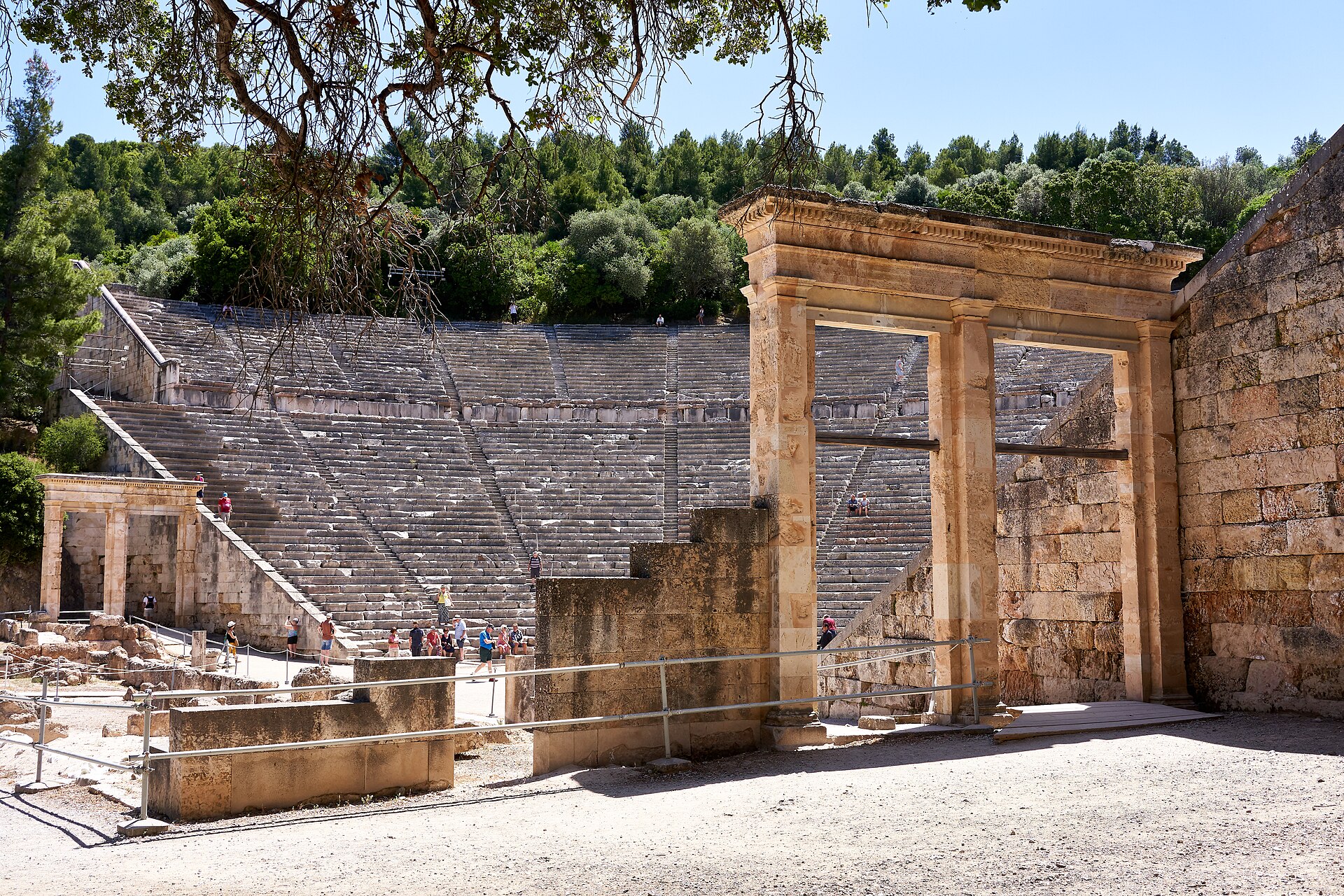
The theatre of Epidaurus carries a whisper to the top row. Nafplio is an attractive harbour town under the Palamidi fortress. Ancient Olympia is the birthplace of the Games, and the Corinth Canal is a deep cut ships still use.
How do Greece tours get you around the mainland?
Small guided tours keep the pace comfortable and suit solo travelers who want company along the way. Full-day trips from Athens by coach suit anyone short on time, and the driver handles all the hard work.
Guided walking tours bring ancient towns to life, such as Nafplio. Entry tickets suit travelers who like to explore at their own pace. Multi-day tours with hotel nights link several sites and spare you the driving.
What is covered on Greece tours in the mainland?
A licensed or local guide is the biggest gain on the mainland, because ruins make more sense with a story. Guides also know the quiet corners and the best spot to stand at each famous viewpoint, so you see more.
Entry tickets, when included, save waiting time and hassle at the gate, so you walk straight into the site. On multi-day trips, hotel nights are part of the plan, so you unpack once and rest well between sites.
How do you make the most of the mainland?
Leave early for Delphi and Meteora, since the light is soft and the car parks are calm. Pack layers, because the mountains stay cool even in summer, especially up high.
Bring comfortable shoes, water, snacks and a charged phone for photographs. Sit near the front of the coach if twisty roads make you feel carsick on the way.
Which Greece Tours In The Cyclades Give Good Value?
Cyclades tours give good value because a single day covers sights, a swim and a meal. You also skip the ferry planning. Greece tours save time, and this guide to Greek islands for first-timers helps you choose well.
What do visitors see first in the Cyclades?
Santorini shows white villages stacked on cliffs above a flooded volcano crater, and the sunsets draw crowds. Mykonos is famous for its windmills and twisty whitewashed lanes. Delos, a sacred island sanctuary nearby, holds ruins that few other islands match.
Milos is known for its sea caves with pale rock and clear water. The old town of Naxos winds uphill around a Venetian castle. The harbour of Naoussa on Paros is full of colorful fishing boats and relaxed seafood restaurants.
How do Greece tours get you around the Cyclades?
Private tours with a skipper suit couples and friends who want a peaceful bay, and a single rate covers everyone. Boat cruises with swim stops fit families and solo travelers who like a sociable day on the water.
Full-day trips from Athens by coach suit visitors short on time and keep the whole plan simple. Snorkel and beginner scuba trips welcome curious swimmers of every skill level, while cooking classes and wine tastings suit food lovers.
What is covered on Greece tours in the Cyclades?
Lunch or a BBQ meal is served on deck with a sea view, and drinks come with it, sometimes unlimited. That keeps the day relaxed and spares you the stress of hunting for a table in a busy harbour.
A licensed or local guide shares island stories and tips, and snorkel gear lets beginners join in right away. Free time to explore lets you wander at your own speed, while wine tastings and swim stops round out the day.
How do you make the most of the Cyclades?
Go in late spring or early autumn for calmer crowds, softer light and warm water. Wear a swimsuit under your clothes so you can jump in at the first bay.
Bring reef-safe sunscreen, a towel and a light jacket for the wind on deck. Hold onto your hat and your phone, since the sea breeze is strong.
Why Book Greece Tours In The Large Islands?
Large islands are spread out, and the best sights lie far apart. A tour links them in a day, so you spend your time looking, not driving. Greece tours link Crete, Rhodes, Corfu and Kefalonia into comfortable days.
What do visitors see first in the large islands?
Knossos is the Minoan palace on Crete, full of bright paintings and winding halls. Chania charms with a Venetian harbour and a lighthouse at its tip. Elafonisi is a beach with soft pink sand and shallow, warm water that glows.
Rhodes town is a medieval city of stone walls and cobbled streets. Lindos is a white village below a hilltop fort. Corfu old town has arcades and squares, and the Melissani cave lake on Kefalonia glows blue in the sun.
How do Greece tours get you around the large islands?
Private tours with a driver guide or skipper suit families and friends, and a single rate covers everyone. Boat cruises with swim stops reach bays that roads skip. Full-day trips from Athens by coach fit visitors short on time.
Guided walking tours open up Rhodes town and Corfu old town, where every lane has a story. Entry tickets suit travelers who like their own pace. Cooking classes and wine tastings suit food lovers who enjoy local flavors.
What is covered on Greece tours in the large islands?
Lunch or a BBQ meal keeps energy up on long island days, when the sun is hot and roads are slow. Drinks come with the meal, sometimes unlimited, so the heat never spoils the fun for anyone.
A licensed or local guide brings Knossos and old towns to life, and entry tickets skip the hassle at the gate. Wine tastings show local flavors and pride, and swim stops finish the day with a splash on the beach.
How do you make the most of the large islands?
Pick a single area of an island per day, because distances are big. Start early to beat the heat and the queues at the busy major attractions, then rest at midday.
Pack a hat, water, sunscreen and a swimsuit for the beach stops. Wear sturdy, comfortable shoes for cobbled lanes and bring a light layer for the cooler evening.
Conclusion: Greece Tours, Planned Well
Greece tours work best when you match the tour to your travel style. Pick a walking tour for stories, a cruise for swimming and a day trip for the big names. Each choice sets the atmosphere of the day.
Couples, families, friends and solo travelers all find a fit, including authentic private tours in Greece built around your own pace. Plan carefully, pack light and let a guide handle the rest. Greece tours reward that effort every time.
Frequently Asked Questions About Greece Tours
Do Greece tours include lunch?
Each tour page lists its meals and drinks, so check the details before you book, especially if you have dietary needs. Boat cruises and full-day trips carry lunch or a BBQ meal, and drinks are sometimes unlimited.
Can you change Greece tours after booking?
Change rules depend on the tour and the host, so read the terms carefully before you pay. Contact the host as early as you can, since earlier requests leave more choices for new dates, times and meeting points.
Do Greece tours include hotel pickup?
Pickup depends on the tour, the host and the area, so look at the booking page first. Private tours and coach trips list a meeting point or a pickup, so confirm yours with the host before the day.
Do Greece tours run in all weather?
Walking and coach tours run in sun and light rain, so pack a hat and a waterproof jacket. Boat cruises depend on the sea, so the host changes the route or the date when wind is strong.
Can Greece tours start from a cruise port?
Yes, many tours start at the cruise port, and hosts meet you at the dock or the terminal. Share your ship time when you book, so the host plans a day that ends well before sailing.
Are Greece tours good value?
Yes, because a single fee covers a guide, transportation and, on many tours, a meal or a swim stop. You also skip hours of planning, and the guide points out interesting details you would walk past alone.
How do you decide between private and shared Greece tours?
Private Greece tours suit travelers who want their own pace, and shared ones suit those who like company and lower costs. Both formats reach the same famous places, so the choice comes down to mood and budget.
When private Greece tours fit best
A private guide shapes the whole day around the traveler, from the first stop to the last coffee. Couples, families with children, and solo travelers with special interests love that freedom.
A private day can include one of the hiking trails in Greece, where the guide sets an easy pace. Stops for views happen whenever the traveler asks.
Costs run higher for this style, but the day starts when everyone is ready. That matters after a late dinner, a long flight, or an uncomfortable night.
When shared Greece tours work better
Shared Greece tours spread the cost across many guests while still giving a skilled guide and a clear plan for the day. Nothing needs separate booking except the seat, because the schedule is already arranged.
Solo travelers meet friendly people this way, and the day needs almost no planning from start to finish. Conversation on the bus can easily turn into dinner plans.
Boat days suit this style as well, and sailing holidays in Greece show how a shared deck feels relaxed and social. Swimming stops and cold drinks keep the atmosphere light and cheerful.
Some travelers mix both styles, with a private day for favorite sights and shared days for everything else.
Why do guided Greece tours help?
Guided Greece tours help because an expert explains what ruins, churches, and streets mean, saves planning time, and handles tickets and transport. Visitors keep their energy for looking, listening, and enjoying the day.
Stories that bring old stone to life
Old walls say little without a story behind them. A good guide turns a pile of stones into a temple, a school, or a busy market.
Only state-licensed guides are allowed to lead visitors inside Greek archaeological sites and museums. That rule means the person leading the visit has real training and solid knowledge.
Museums gain the most from a guide. Greek art and museums make more sense when someone explains what each statue once meant to the people who made it.
Buildings work the same way. A guide shows the columns, arches, and domes that mark famous Greek architecture and explains why builders chose each shape.
Guides on Greece tours also adjust the story to the audience, so children, teenagers, and adults all find something interesting to enjoy.
Local knowledge on Greece tours
Guides know the quiet corners, the calmer times of day, and the cafes that locals love. They also fix small problems before visitors even notice them.
Visits to traditional Greek villages feel warmer when the guide greets the baker and the cafe owner by name. Doors open that stay closed to rushed visitors.
Guides also share photography tips for Greece tours, such as where to stand for soft light. They know how to keep strangers out of the frame, too.
How do you plan rest around Greece tours?
Plan one half day of rest after each busy day of Greece tours, and keep arrival and departure days light. Rested travelers listen better, walk farther, and remember more of everything they experience.
Build rest into the week
Summer heat is strong at midday, so a long lunch and a short nap fit the local rhythm. Mornings and evenings suit the most popular sights much better.
Top beaches in Greece make perfect rest stops between busy days. A swim and a cold drink restore energy faster than another museum visit.
Dinner starts late in Greece, so evenings can stay open for a slow meal. A table by the sea is a fine reward for a full day.
A hotel with a pool or a shaded terrace gives tired travelers a quiet place to recover between guided visits.
Match the season to the pace of the trip
Summer calls for early starts and quiet afternoons in the shade. Spring and autumn allow longer days outside, with more comfortable temperatures.
A look at seasonal events in Greece shows when towns feel lively and when they feel calm. That helps travelers choose the right pace for each stop on Greece tours.
End a busy day at one of the best sunset spots. The only activity there is to relax and watch the sky change color slowly.
How do you find the meeting point for Greece tours?
For Greece tours, check the confirmation for the exact meeting point, locate it on a map, and arrive a little early. Guides send these details before the day begins, so nobody needs to guess about the location.
Read the details before the day
Meeting points are a hotel lobby, a harbor, a square, or a landmark entrance, depending on the tour. The confirmation message names the exact spot.
Saving the map pin and the guide’s contact details removes most of the stress. A quick message solves any confusion about the exact location.
On festival days, streets close and crowds grow in busy squares. A look at Greek festivals helps travelers allow extra walking time before the start.
Arrive calm and ready
Landmarks can look alike in a busy square, so a clear sign matters. Travelers should look for the guide’s sign or the spot named in the message.
Harbor meetings suit boat trips and adventure activities in Greece, where the guide checks names and gear before leaving. Early arrival leaves enough time for water and sunscreen.
Arriving early also gives the guide time to welcome everyone and explain the plan for the day. Hotel staff know the main squares and harbors, so a quick question at the front desk saves time.
A bottle of water, a hat, and comfortable shoes complete the plan. A calm arrival sets the tone for the best Greece tours.
Which Greece tours suit a birthday trip?
Food, wine, and sunset Greece tours suit a birthday trip best because they feel festive and leave room for toasts. The birthday traveler should feel celebrated from the first stop to the final dessert.
Tasting days that feel like a party
A tasting day turns lunch into the main event of the trip, with no rush to leave the table. Guides lead visitors to bakeries, olive oil shops, and family taverns where the table fills quickly.
Many food markets in Greece sell cheese, honey, and fresh fruit, so the birthday traveler can pick a favorite. Everyone then shares it over a picnic.
Bread, feta, olives, and sweet pastries tell a short story of daily life. Greece tours that center on food let the traveler taste and celebrate at once.
Vineyard visits add another layer of fun. The wine regions in Greece offer cellar tours and tastings with views over green hills.
A surprise day out from Athens
A short outing keeps the surprise simple and easy to organize. Day trip ideas from Athens include ancient sites, seaside towns, and quiet islands, all within reach of the city.
The guide can help arrange a small cake or a toast at the restaurant when the table is booked in advance. Restaurant staff in Greece love a celebration.
Guides also know which views look best at golden hour, so the birthday photos turn out warm and happy. A short stop on a hilltop can become the favorite memory of the trip.
A light plan leaves energy for the evening. Greece tours that end with a sunset dinner make a lovely finish to the birthday.
Which Greece tours suit an anniversary?
Quiet, scenic Greece tours with time for two suit an anniversary best, especially sunset cruises, train rides, and short walks. Romance in Greece comes from setting and calm, not from rushing.
Stories of love and legend
Greek myths hold famous love stories, and guides retell them at the places linked to the tales. Listening together makes an old ruin feel personal.
Early in the day, the stone looks warm and the paths are quiet. Soft light on the columns makes each story easier to picture.
Couples can visit Greek mythology sites and hear how gods and heroes fell in love, argued, and made up again.
Greek legends and historical sites blend old stories with real ruins, which gives every stop a human feel.
Scenic travel for two
A scenic ride makes the journey part of the gift. Scenic train rides in Greece pass mountains, gorges, and farmland at a gentle speed.
A window seat, a simple picnic, and a camera are all that the day needs. Couples can talk, watch the view, and skip the stress of driving.
Seaside dinners add a final romantic touch. Anniversary Greece tours that end near the water, with local wine and a slow sunset, need no extra decoration.
Greece tours with small stops and long pauses work best. A quiet courtyard lunch matters more than counting how many sites fit into one day.
Which Greece tours suit a honeymoon?
Island Greece tours with ferry views, beach time, and private transfers suit a honeymoon best, because they mix romance with ease. Newlyweds want relaxation first and sightseeing second, which shapes every choice.
Island days from the mainland
Honeymooners start in Athens and then sail to a calm island for a few days. Island tours from Athens show how simple that first step can be.
Each island has its own mood and its own pace of daily life. Some feel lively and social, while others offer empty beaches and quiet harbors.
Beach time deserves a real place in the plan. Honeymooners should swim, nap, and read before the next ferry or the next sight on their Greece tours.
Travel between Greek islands needs planning, so a guide who handles tickets and timing protects the romance.
Slow roads and private moments
Not every honeymoon needs a boat or a plane ticket to feel like a real escape. Scenic drives in mainland Greece lead past olive groves, mountain villages, and quiet bays.
A private driver stops wherever the view is lovely. Couples can leave the map to the guide and simply enjoy the ride.
Small hotels with sea views and quiet breakfast terraces suit newlyweds well. A guide can suggest places that feel intimate rather than crowded.
Honeymoon Greece tours leave the mornings free for sleep, coffee, and slow conversation. A late breakfast, a long swim, and a tour in the afternoon make a perfect rhythm.
Which Greece tours suit a family reunion?
Relaxed, flexible Greece tours with short walks, long shared meals, and stories that interest every age suit a family reunion best. Grandparents, parents, and children all travel at different speeds.
Something for every age
Children enjoy interactive stops, while grandparents prefer benches and shade. A good guide mixes both in one easy route.
Teenagers enjoy active stops such as climbing steps, and small tasks like finding a carved symbol keep young visitors curious.
Greek history sounds big, but a guide can shrink it into short stories about kings, sailors, and builders.
Ruins become a playground for the imagination. A plan for ancient Greek ruins works well when each stop is short and has one clear story.
Keeping everyone comfortable and together
One vehicle, one meeting point, and one clear schedule keep relatives together. Greece tours with a private bus or van remove the hassle of many cars.
Long lunches matter most at a reunion, because stories and laughter fill the table. A table that seats everyone is the goal, and the guide can pick a family taverna.
Photos finish the day well. On family Greece tours, a guide can take a picture at a viewpoint, so every relative appears in the frame.
Rest breaks matter for older relatives. A guide who plans shade, seating, and water breaks keeps the whole day comfortable for everyone.
Which places do Greece tours visit?
Greece tours visit famous islands, ancient mainland sites, and large islands, so one trip can mix sea, stone, and food. The lists below sort the most popular places by type, so planning feels simple.
Islands
Island stops bring beaches, views, and slow evenings by the sea, even on the busiest days. Greece tours link these islands by ferry or short flight, and each one has a different mood.
- Santorini is known for sunsets above a flooded volcano and white cliff villages.
- Mykonos is known for windmills, lively beaches, and a whitewashed old town.
- Naxos is known for sandy beaches, mountain villages, and an ancient marble gate.
- Paros is known for fishing harbors, white lanes, and relaxed beach towns.
- Milos is known for pale volcanic rock, bright coves, and fishing hamlets.
Mainland
Mainland stops carry the big stories of ancient Greece, from wars and kings to plays and sports. Guides lead visitors through each ruin and explain what daily life looked like there long ago.
- Athens is known for the Acropolis, the Parthenon, and lively old streets.
- Delphi is known for the ancient oracle and a stunning mountain setting.
- Olympia is known as the birthplace of the ancient Olympic Games.
- Mycenae is known for its Lion Gate and royal tombs of early kings.
- Epidaurus is known for its ancient theater and its remarkably clear sound.
Large islands
Large islands deserve more time because each has mountains, towns, and beaches of its own. Greece tours here focus on one island at a time, so the pace stays calm and the stories stay clear.
- Crete is known for ancient palaces, mountain gorges, and rich local food.
- Rhodes is known for a walled medieval old town and sunny beaches.
- Corfu is known for its elegant old town, olive groves, and green hills.
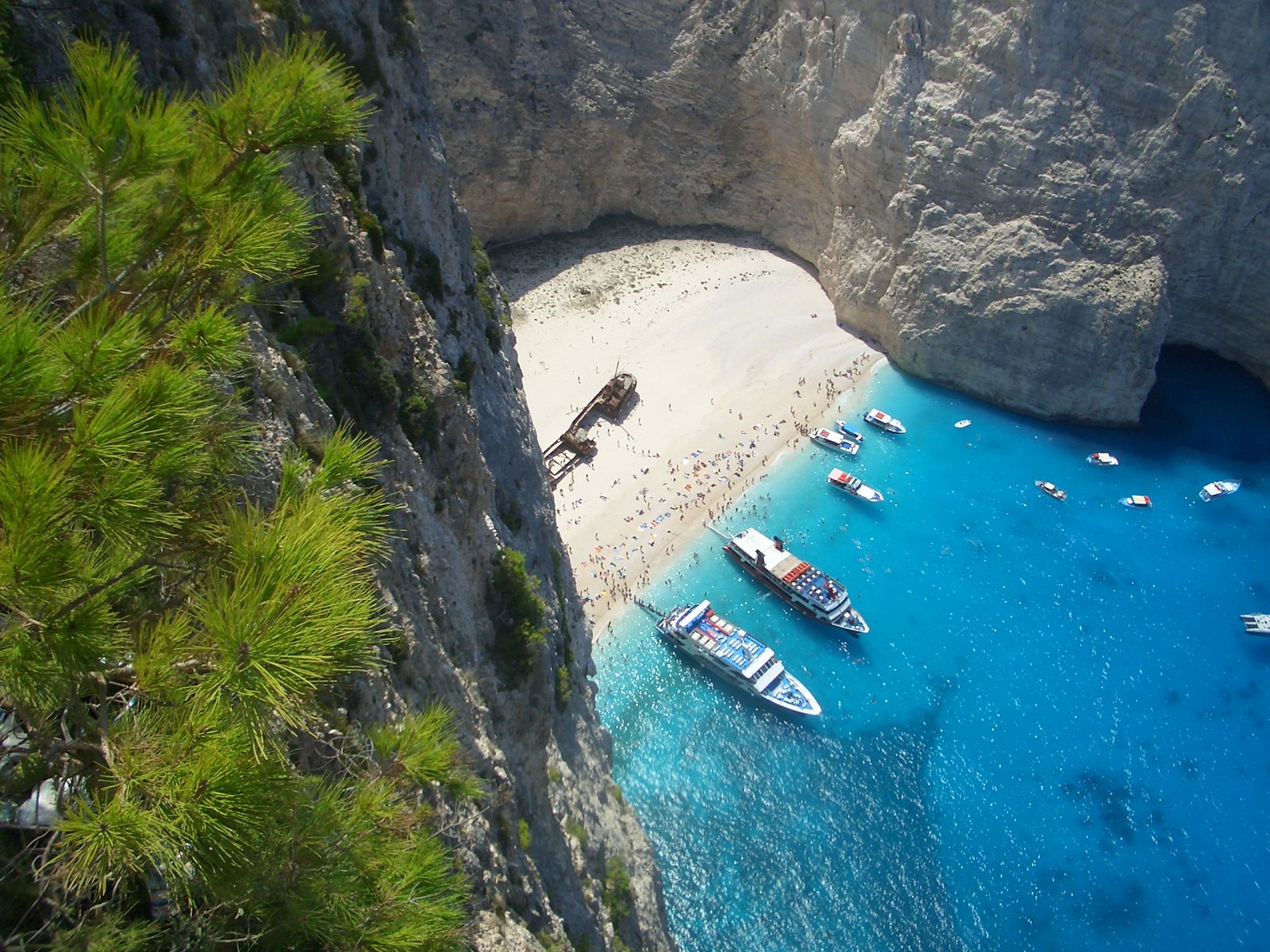
- Zakynthos is known for Shipwreck Beach and bright blue sea caves.
How do you plan Greece tours over four days?
Greece tours work best in four days as one day in Athens, one on the mainland, and two on an island. This plan keeps travel time short and leaves room to rest after each full day.
Day one in Athens
Athens gives the best start because the Acropolis, the old market streets, and the main museums sit close together. A morning guide explains what each ruin once did and why it still matters.
Evenings suit a slow walk through traditional neighborhoods and a late dinner under the lights of the hill. The city lets travelers beat jet lag gently, because the first day mixes walking, food, and fresh air.
Travelers with more time can follow a longer Athens, Santorini, and Mykonos itinerary after this first taste of the capital.
Day two on the mainland
Day two suits a trip to Delphi or Epidaurus, where the guide connects ancient stories to the land around them. Coach seats allow rest on the road between the sites.
Lunch at a village taverna suits the day nicely, with local dishes and a view of the hills. Guided Greece tours save effort, while self-guided Greece itinerary planning gives more freedom to wander.
The evening brings a return to Athens, a calm dinner, and an early night. Travel days feel lighter when sleep comes first.
Days three and four on an island
An island closes the trip with sea air, slow mornings, and long lunches by the water. Santorini, Naxos, or Paros each work well after a short ferry ride or flight from Athens.
Early booking and a buffer before departure protect the schedule, especially in busy summer weeks. Wind can delay ferries, so a calm final day helps travelers reach the airport on time.
Travelers who are curious about more islands can read about Greek island hopping, but four days fit one island best. Slow days by the water leave a stronger memory than a rushed, crowded list of stops.
More questions about Greece tours
These short answers cover the questions travelers ask most before they book. Each one is direct, practical, and ready to use.
Is tipping expected on Greece tours?
Tipping is welcome but not required, and small amounts for a good guide or driver are a kind way to say thanks. Many travelers also round up a restaurant bill as a friendly gesture when service is good.
Do Greece tours stop for photos?
Yes, guides plan photo stops at viewpoints, harbors, and ruins, and they point out the best spots for pictures. Some sites limit tripods and drones, so light gear works best, and soft morning light flatters ancient ruins.
Do Greece tours run in English?
Yes, many Greece tours run in English, and licensed guides also work in many other languages. The language is stated at booking, so travelers can choose the best fit for the whole day.
Are Greece tours suitable for wheelchair users?
Some Greece tours suit wheelchair users well, but ancient sites have steps and slopes, so access must be checked before booking. Operators can arrange accessible vehicles and routes on request, and guides adapt the pace to each traveler.
What happens if weather cancels Greece tours?
If weather cancels a tour, the operator offers another date or a refund under the booking terms. Strong wind stops ferries and boat trips first, so sea days need a spare day in the plan.
Can you thank a guide on Greece tours?
Yes, warm thanks, a kind review, or a small tip all show appreciation, and guides value each of them. A friendly word at the end of the day means a great deal to guides who love their work.
See more in Ilektrologoislarisa:
